Blog


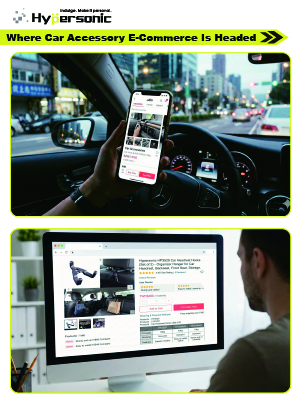
The automotive aftermarket is being reshaped as e-commerce continues to change how car gadgets are selected and sold. In the past, drivers depended on local auto shops and in-person recommendations; however, car accessory e-commerce now enables consumers to browse, compare, and purchase products online with far greater efficiency. As a result, online buying behavior—influenced by reviews, product images, and search rankings—has become a decisive factor. Meanwhile, large platforms featuring Amazon car gadgets are setting new marketplace trends, impacting not only B2C shoppers but also B2B sellers, manufacturers, and automotive brands adapting to digital-first sales channels.
The automotive aftermarket has experienced a major shift as car accessory e-commerce continues to replace traditional offline retail. In the past, consumers relied on physical auto shops for product availability and advice; however, online platforms now offer broader selections and instant access. As a result, buyers no longer depend on local inventory limitations when selecting car gadgets.
Meanwhile, the growth of aftermarket accessories online has accelerated rapidly. E-commerce platforms allow niche and specialized products to reach global audiences. Therefore, both established brands and smaller suppliers can compete more effectively within evolving marketplace trends. This shift has also shortened product life cycles and increased competition.
In addition, mobile shopping has changed when and how purchases occur. Consumers can research and buy car accessories directly from smartphones. Moreover, improved logistics and cross-border fulfillment enable international purchasing with faster delivery and clearer tracking. Consequently, global sourcing has become more accessible for both B2C buyers and B2B resellers (global e-commerce consumer behavior data).
Car accessories are particularly well suited to e-commerce. Most products are standardized, lightweight, and visually driven. Therefore, detailed images, specifications, and compatibility guides reduce uncertainty and support confident online decisions. As a result, digital channels outperform offline stores in efficiency and scalability.
Summary:
Overall, structural changes in retail, logistics, and mobile technology have removed many barriers associated with physical auto shops. As a result, online platforms have become the dominant channel for selling car gadgets, enabling wider product access, faster cross-border distribution, and data-driven growth across the automotive aftermarket.
Today, online buying behavior plays a decisive role in how consumers choose car gadgets. In the past, buyers relied on in-store advice; however, digital shoppers now conduct extensive research before purchasing. As a result, product pages, reviews, and search visibility often matter more than brand recognition alone.
Meanwhile, comparison shopping across platforms has become standard behavior. Buyers frequently switch between marketplaces, brand websites, and review platforms. Therefore, price, delivery speed, and return policies directly influence final decisions. This behavior reduces seller control and increases buyer leverage.
Visuals and technical details have also gained importance. High-quality images, videos, and clear specifications help buyers evaluate compatibility and usage scenarios. Consequently, products with better visual content tend to perform more strongly, even when priced higher.
At the same time, online channels encourage both impulse purchases and planned upgrades. While some buyers act quickly during promotions, others carefully plan upgrades based on research and reviews. Thus, digital environments support multiple purchasing mindsets simultaneously.
How do consumers choose car accessories online?
Consumers compare reviews, images, specifications, and compatibility information. As a result, data transparency and social proof strongly influence purchase confidence.
What influences online car gadget purchases?
Pricing, delivery speed, visuals, and user feedback are key factors. However, ease of comparison across platforms often becomes the deciding element.
Summary:
Overall, digital platforms have shifted decision-making power from sellers to buyers. Because consumers now research, compare, and validate products independently, online buying behavior favors transparency, strong content, and user-driven credibility rather than traditional sales influence.
Amazon has become the primary discovery channel for Amazon car gadgets, largely because it simplifies search and comparison. In the past, consumers browsed multiple stores; however, Amazon now consolidates selection, pricing, and reviews in one place. As a result, many buyers begin—and often end—their purchase journey on a marketplace rather than a brand website.
Meanwhile, Amazon’s search ranking system strongly influences visibility. Products that accumulate reviews, maintain strong conversion rates, and meet fulfillment standards gain higher placement. Therefore, marketplace trends increasingly reward sellers who optimize listings rather than rely solely on brand recognition. Prime delivery further reinforces trust by reducing perceived risk.
At the same time, competition between private labels and branded products has intensified. Private labels often compete aggressively on price; however, branded sellers differentiate through quality, certifications, and content depth. Consequently, value perception becomes more important than price alone.
Price transparency also reshapes buying behavior. Buyers can instantly compare similar products across sellers. Therefore, fast fulfillment and reliable logistics often determine the final decision more than minor price differences.
|
Channel |
Strengths |
Limitations |
|
Amazon Marketplace |
High visibility, Prime trust, fast delivery |
Intense competition, price pressure |
|
Brand Website |
Brand control, higher margins |
Lower discovery, higher acquisition cost |
|
Specialty Auto Store |
Expertise, niche focus |
Limited selection, slower fulfillment |
Summary:
Overall, Amazon and large marketplaces have redefined how car gadgets gain visibility, compete on price, and earn consumer trust. As a result, sellers must adapt to algorithm-driven discovery, transparent pricing, and fulfillment speed, making marketplace strategy a central factor in modern car accessory e-commerce.
Today, marketplace trends are increasingly shaped by real-time data rather than intuition. In the past, product decisions relied on experience or distributor feedback; however, search data now reveals what buyers actively want. As a result, popular keywords, filters, and search frequency directly influence how new car gadgets are designed and positioned.
Meanwhile, bestseller lists play a critical role in inventory planning. Products that rank highly signal strong demand and pricing acceptance. Therefore, sellers and manufacturers monitor these lists to adjust production volumes and reduce overstock risk. This data-driven approach improves efficiency across the supply chain.
Reviews and Q&A sections also provide valuable forecasting signals. Buyers frequently highlight unmet needs, compatibility issues, or desired features. Consequently, these insights help sellers refine existing products or identify opportunities for improvement. Over time, customer feedback becomes a continuous source of market intelligence.
At the same time, product life cycles are becoming shorter. Because trends emerge and fade quickly, sellers must respond faster. Therefore, agility and data monitoring are now essential capabilities in competitive marketplaces.
Summary:
Overall, real-time marketplace data has replaced intuition as the foundation of product and merchandising decisions. By leveraging search behavior, bestseller rankings, and customer feedback, businesses can respond faster to demand shifts and stay aligned with rapidly evolving marketplace trends.
Although B2B and B2C buyers use the same digital platforms, their decision logic differs significantly. For B2C shoppers, convenience often comes first. They prioritize price, delivery speed, and reviews. As a result, emotional triggers and social proof strongly influence purchase decisions.
However, B2B buyers approach the same platforms more cautiously. They focus on compliance, long-term supply stability, and brand credibility. Therefore, certifications, documentation, and consistent product quality matter more than promotional pricing. This difference shapes how products are evaluated, even when listings appear identical.
Meanwhile, Amazon has become a key research tool for B2B sourcing. Buyers analyze reviews, rankings, and demand signals before contacting suppliers directly. Consequently, marketplace trends on consumer platforms increasingly inform professional procurement decisions.
At the same time, OEMs and distributors closely monitor consumer data. Search behavior and feedback help them anticipate demand shifts. Thus, B2C activity indirectly influences B2B strategy, product planning, and inventory decisions.
Summary:
Overall, B2B and B2C buyers coexist on the same digital channels but evaluate products through different lenses. While consumers seek convenience and validation, business buyers prioritize reliability and compliance, making shared platforms a critical data bridge between consumer demand and professional sourcing decisions.
In digital marketplaces, traditional sales interactions are increasingly replaced by ratings and social proof. In the past, buyers relied on sales staff for reassurance; however, today reviews and star ratings perform that role at scale. As a result, products with strong feedback often outperform those with established brand names but weaker validation.
Meanwhile, SEO and enhanced product content function as silent sales tools. Well-structured titles, bullet points, and A+ content help buyers understand value quickly. Therefore, content clarity directly affects conversion rates, especially in competitive categories where products appear similar at first glance.
Algorithm-driven visibility further amplifies this shift. Platforms prioritize products with higher engagement, better reviews, and optimized listings. Consequently, sellers who understand how algorithms work gain more exposure without human sales intervention.
Education-based content also plays a critical role. Buyers seek explanations, use cases, and compatibility guidance. Thus, informative content builds trust and reduces hesitation, replacing the need for real-time sales conversations.
Summary:
Overall, digital trust signals such as reviews, optimized content, and algorithmic ranking have replaced traditional salespeople in online environments. Because buyers now rely on data, education, and peer validation, successful sellers must focus on credibility and visibility rather than direct sales interaction.
As digital channels continue to dominate, automotive brands must develop e-commerce-ready products from the start. In the past, packaging and documentation were designed for offline retail; however, online platforms now require clear specifications, visuals, and compatibility details. As a result, product development and digital presentation can no longer be treated separately.
Meanwhile, branding consistency across marketplaces has become increasingly important. Brands often appear on Amazon, distributor sites, and direct-to-consumer stores at the same time. Therefore, inconsistent messaging or visuals can weaken trust and reduce perceived value. Maintaining a unified brand presence helps reinforce credibility across all sales channels.
Compliance, documentation, and content also play a larger role online. Buyers expect certifications, safety information, and usage guidance to be easily accessible. Consequently, well-structured content reduces friction and supports both consumer confidence and B2B procurement requirements. For deeper insights, brands can reference internal resources such as Hypersonic’s articles on automotive accessory compliance and manufacturing standards to align content strategy with regulatory expectations.
At the same time, brands must choose between direct-to-consumer and marketplace-led strategies. While DTC offers higher control and margins, marketplaces provide scale and discovery. Therefore, many manufacturers adopt a hybrid approach to balance visibility and brand ownership.
Summary:
Overall, automotive brands and manufacturers must adapt product design, branding, and content strategies for digital-first environments. By ensuring e-commerce readiness, maintaining consistent branding, and balancing DTC with marketplace strategies, brands can remain competitive as online channels continue to shape the automotive aftermarket.
Looking ahead, car accessory e-commerce will continue to evolve as platforms adopt AI-driven recommendations. In the past, buyers searched manually; however, algorithms now suggest products based on behavior and compatibility. As a result, personalized discovery is expected to increase conversion rates and reduce search friction.
Meanwhile, video-first shopping is becoming more influential. Short-form videos, product demos, and installation guides help buyers understand real-world usage. Therefore, visual storytelling will play a larger role in shaping online buying behavior, especially for complex or premium accessories.
Cross-platform commerce is also accelerating. Amazon remains a central marketplace; however, social platforms increasingly drive discovery. Consequently, buyers move seamlessly between content, reviews, and checkout across channels, reinforcing interconnected marketplace trends.
At the same time, greater transparency and regulation are emerging. Consumers and B2B buyers demand clearer pricing, verified reviews, and compliance information. Thus, trust and accountability will become competitive differentiators rather than optional features.
Summary:
Overall, the future of car accessory e-commerce will be defined by personalization, visual engagement, and cross-platform integration. As AI, video content, and regulatory transparency reshape buyer expectations, the automotive aftermarket will continue shifting toward data-driven, trust-focused digital ecosystems.
The rapid rise of car accessory e-commerce has fundamentally reshaped the automotive aftermarket. In the past, purchasing decisions were guided by in-store advice; however, digital platforms now dominate discovery, comparison, and conversion. As a result, online buying behavior—driven by data, reviews, and content—has shifted control from sellers to increasingly informed buyers.
Meanwhile, Amazon car gadgets and other major platforms continue to define visibility, pricing, and trust. Therefore, understanding evolving marketplace trends is no longer optional for brands and manufacturers seeking growth. Success now depends on data-driven strategies, content clarity, and operational agility.
For companies navigating this transition, Hypersonic stands out as an industry-aware, trend-driven partner. By aligning market insight with execution, Hypersonic helps automotive businesses adapt confidently to the digital-first future of e-commerce.
This site uses cookies to improve your browsing experience. we’ll assume you’re OK to continue. If you want to read more about this, please click PRIVACY thank you.